The Hidden Cost of Downtime in Indian Scrap Yards

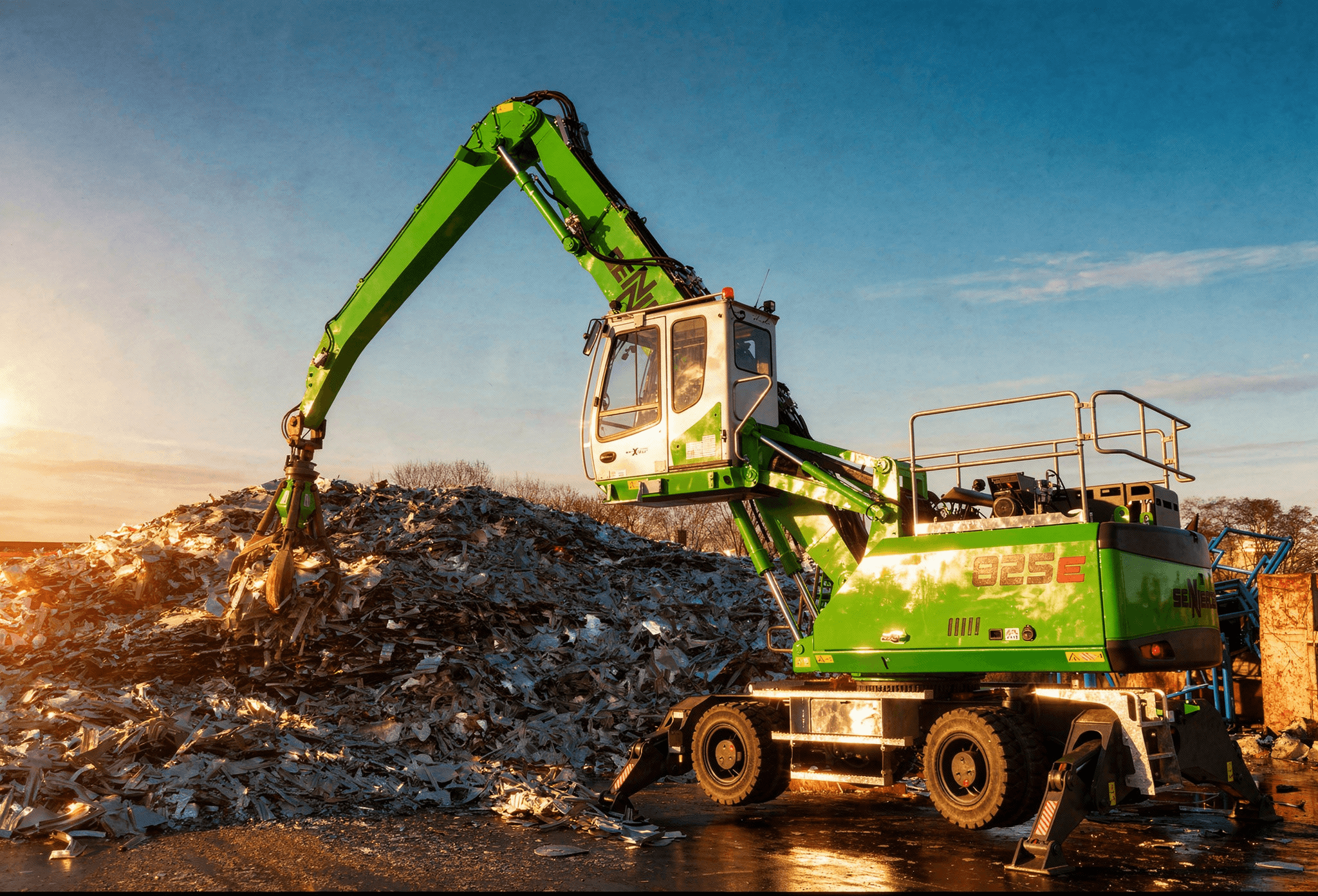
At 6:10 AM, the first trucks have already begun lining up outside the scrap yard. A crane swings overhead in the distance. Metal clashes against metal. Workers move quickly between unloading zones while supervisors scan the yard, trying to keep movement steady before the next wave of inbound material arrives.
Inside the control room, the pressure has already begun to build.
A delayed truck means another queue forming outside. A paused loading cycle means idle labour. A stopped material handler means the entire rhythm of the yard begins slowing down around it. And in large Indian scrap and steel processing operations, that rhythm matters. Because modern yards are no longer judged only by how much scrap they store. They are judged by how efficiently they move it.
Every loading cycle, every truck turnaround, and every uninterrupted hour of operation directly affect throughput, fuel efficiency, labour productivity, and ultimately profitability. This is why downtime has become one of the biggest hidden costs in Indian scrap handling operations today. Not just catastrophic breakdowns.
But the small interruptions, inconsistent cycles, delayed servicing, and operational slowdowns that quietly compound across the yard every single day.
India’s scrap handling industry is under pressure like never before.
Steel demand is rising. Recycling volumes are increasing. Processing yards are expected to move more material, faster, and more safely, with tighter operational margins than ever before.
Yet across many scrap yards and steel processing facilities, one challenge continues to quietly influence profitability every single day:
- Downtime.
- Not dramatic breakdowns.
- Not disastrous failures.
But the small interruptions, inconsistent cycles, delayed repairs, machine stoppages, and operational slowdowns that gradually reduce throughput and increase cost across the yard. And in high-volume scrap operations, downtime compounds faster than most operators realise.
Downtime Is Not Simply a Maintenance Problem
Most operations still calculate downtime as: Repair cost + parts replacement. But the real operational impact runs much deeper. When a material handler stops unexpectedly, the entire yard begins slowing down around it. Truck queues increase. Labour utilisation drops. Loading cycles become inconsistent. Fuel burn rises. Sorting slows down. Processing bottlenecks build up. One delayed machine can affect multiple parts of the operation simultaneously.
In scrap handling situations where margins are already under pressure, these interruptions directly impact:
- Tons processed per hour
- Turnaround times
- Operational predictability
- Labour efficiency
- Customer commitments
The cost is not always visible immediately. But over weeks and months, it becomes significant.
Scrap Yards Are Becoming Throughput Businesses
Modern scrap operations are no longer simply storage yards. They are throughput-driven industrial environments.
Today’s operators are measured by:
- How quickly does material move
- How consistently does loading happen
- How safely do operations run
- how efficiently fuel and labour are utilised
- How reliably do trucks move in and out of the facility
This changes the role of material handling equipment entirely. The machine is not simply a loader. It becomes part of the yard's operational rhythm. That is why uptime matters so much.
Why Continuous-Duty Design Matters
Scrap handling is one of the harshest environments for heavy equipment.
Machines operate:
- For long hours
- In abrasive conditions
- Around dust, metal fragments, and heat
- With continuous loading and sorting cycles
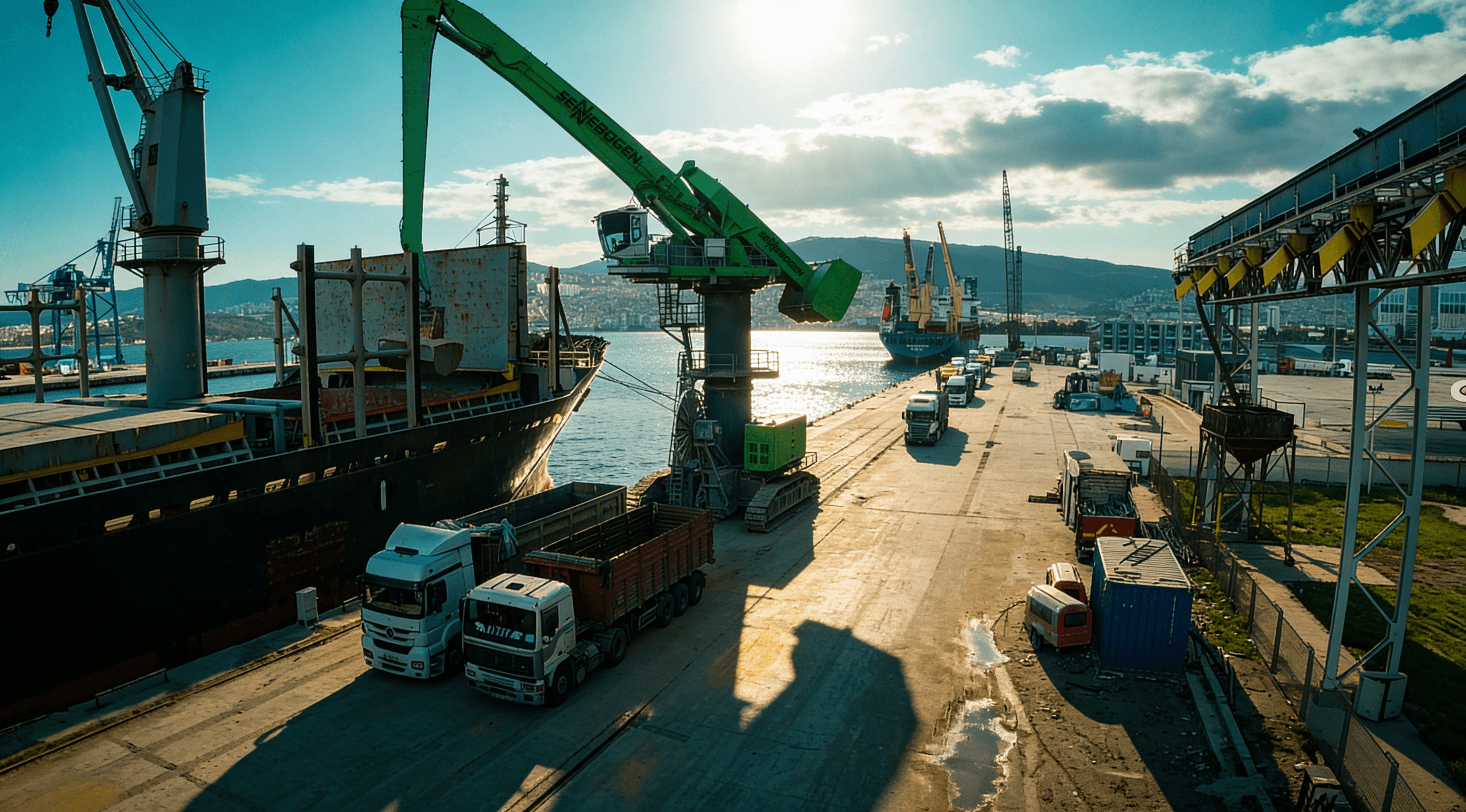
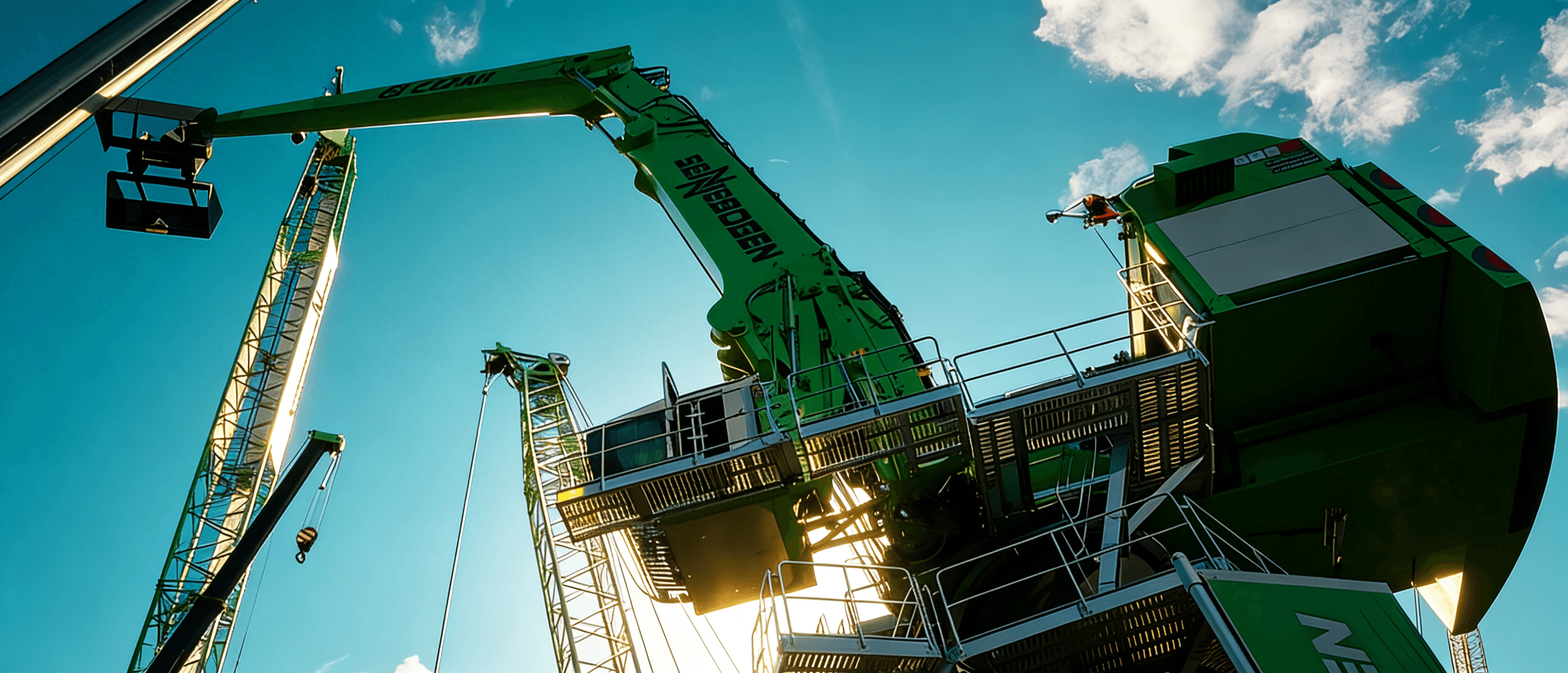
Equipment designed for intermittent construction applications frequently struggles in these environments over time. This is where purpose-built material handlers make a major operational difference. SENNEBOGEN material handlers are engineered specifically for continuous industrial-duty applications, including scrap, steel, recycling, and bulk handling.
The machines are built around:
- High structural durability
- Long operating cycles
- Operator visibility
- Simplified serviceability
- Heavy-duty material movement
For scrap yard operators, this translates into more predictable operations and reduced interruption across shifts.
Simpler Architecture Often Means Higher Uptime
One of the biggest hidden challenges within modern industrial equipment is over-complexity.
Many operations today struggle with:
- Excessive electronic dependencies
- Difficult diagnostics
- Software interlocks
- Longer troubleshooting times
- Dependence on proprietary systems
In harsh industrial environments, simplicity can become a major operational advantage.SENNEBOGEN machines are widely recognised for their strong, modular engineering and service-friendly architecture, designed for easy maintenance and a long operational life.
This matters because faster servicing immediately affects uptime.When maintenance teams can access components more easily and diagnose issues faster, machines spend less time idle and more time moving material.
For Indian scrap yards operating in demanding timelines, this becomes a meaningful productivity advantage.
The Safety Impact of Downtime Is Often Ignored
Operational slowdowns do not just affect productivity. They can also increase safety risks inside the yard.
When loading slows down:
- Truck congestion increases
- Operators rush cycles
- Material piles grow larger
- Movement paths become tighter
- Manual intervention rises
This creates additional operational pressure on both operators as well as field teams.
Modern material handlers with elevated cabin visibility, long reach, and stable handling help reduce unnecessary repositioning while improving operator awareness across the yard.
In many cases, safer operations are also more productive operations.
Fuel Efficiency Is Also an Uptime Conversation
Fuel costs are among the largest operational expenses in scrap handling. But inefficient cycles significantly increase fuel consumption. A machine that:
- Takes longer loading cycles
- Repositions excessively
- Struggles with visibility
- Experiences interruptions
Will naturally consume more fuel per ton handled. Effective material movement is not only about machine power. It is about consistent movement.
That is why many modern scrap yards are now evaluating performance not just by machine size, but by:
- Tons per hour
- Fuel per ton
- Operational consistency
- Service intervals
- Dependability across shifts
Indian Scrap Operations Need Machines Built for the Environment
India’s scrap and recycling sector is evolving rapidly.
Operations are becoming larger, faster, and more professionally managed.
At the same time, plant heads and operations teams are increasingly looking beyond initial purchase price and asking more important questions:
- How reliable is the machine under continuous use?
- How quickly can it be serviced?
- How much downtime can it reduce?
- How productively can it move material daily?
- Will it support long-range operational growth?
These are no longer just procurement questions. They are business performance questions.
Engineering Progress Means Operational Persistence
At Forsenia, we believe material handling equipment should do more than move scrap.
It should help operations move forward consistently, safely, and efficiently.
As the sole country representative for SENNEBOGEN in India, Forsenia brings globally engineered material handling solutions designed for demanding industrial applications across:
- Scrap yards
- Steel plants
- Recycling facilities
- Ports
- Bulk handling environments
Because in modern scrap operations, uptime is not just maintenance performance.
It is operational momentum.
Speak to Forsenia About Improving Yard Productivity
Whether you are expanding operations, modernising handling infrastructure, or looking to improve throughput and uptime across your yard, Forsenia can help evaluate the right material handling solution for your environment.
Engineering Progress. One Lift at a Time.
Disclaimer:
The information presented in this article is intended for general industry awareness and educational purposes only. Operational outcomes, productivity improvements, fuel efficiency, and performance metrics may vary depending on site conditions, application environments, operator practices, and machine configurations. References to SENNEBOGEN products, technologies, and capabilities are based on publicly available product information and general application insights.
Copyright Notice:
© 2026 Forsenia Engineering Pvt. Ltd. All rights reserved.
This article and its contents, including text, concepts, structure, and visual direction, are the intellectual property of Forsenia unless otherwise stated. SENNEBOGEN® is a registered trademark of SENNEBOGEN Maschinenfabrik GmbH. Any reproduction, distribution, or reuse of this content without prior written permission is prohibited.